
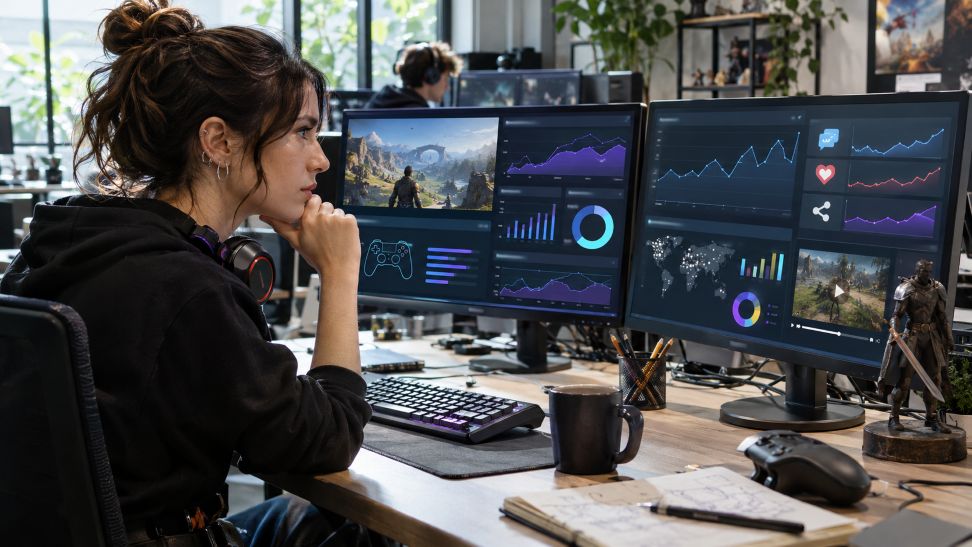
Social media platforms have become important spaces for discovering video games and discussing gaming experiences. Short-form videos, gameplay clips, streaming highlights, and player conversations influence how audiences interact with digital entertainment. Research from Newzoo shows that social media promotions and gaming content creators play meaningful roles in game discovery. These interactions give developers another way to understand audience interests beyond traditional gameplay statistics.
Gaming analytics teams increasingly examine public discussions to identify emerging trends and community preferences. Tools such as a TikTok scraper API can help organize publicly available video information, engagement metrics, hashtags, and comments into structured datasets. When collected responsibly, this information provides useful context about gaming culture, popular challenges, and audience reactions. However, social media activity should complement established gaming analytics rather than replace it.
Why Traditional Gaming Analytics Still Matters
Game developers have traditionally relied on internal data to understand player behavior. These systems record activities within a game, helping teams evaluate performance, engagement, and purchasing patterns.
Documentation from GameAnalytics identifies several common measurements, including daily active users, retention rates, session activity, and progression events. These indicators help developers understand how players interact with specific features.
What Can Internal Gameplay Data Reveal?
- Player retention: How frequently users return after installing or playing a game.
- Gameplay activity: Which levels, characters, and features receive the most attention.
- Purchase behavior: How players interact with optional purchases and paid content.
- Session patterns: How often users play and how long they remain active.
- Player feedback: Opinions collected through surveys and in-game questionnaires.
These measurements provide direct evidence of player behavior. For example, developers can identify levels where users frequently stop progressing. They can also evaluate whether new features encourage players to return.
However, internal analytics has limitations. It generally cannot explain why a particular game becomes popular on social media or how nonplayers perceive it. Gameplay statistics reveal actions, but the motivations behind those actions may remain unclear.
What Changes When Developers Examine Social Media?
Social media analytics approaches gaming audiences from another direction. Instead of measuring gameplay activity, it examines public conversations, content engagement, and community participation.
The TikTok What’s Next Gaming Trend Report highlights how fan edits, creative challenges, humor, and community discussions contribute to gaming culture. These activities demonstrate how players extend their gaming experiences beyond the games themselves.
For developers, external discussions can reveal which characters attract attention, which gameplay challenges spread quickly, and how audiences respond to announcements. Understanding social media’s influence on the gaming industry also provides useful context for examining how content creators, promotional activities, and community engagement shape the visibility of video games.
Where Social Media Analytics Offers Value
- Trending hashtags identify games, characters, and challenges receiving public attention.
- Video engagement shows which gaming topics generate views, comments, and shares.
- Creator activity highlights influential discussions and emerging content formats.
- Community comments provide qualitative feedback about gameplay experiences.
- Discussion patterns reveal how audience interests change around major events.
Unlike internal analytics, social media research can include people who have never played a particular game. This broader perspective helps developers understand awareness, curiosity, and public perception.
Nevertheless, online engagement does not automatically indicate purchase intent or lasting player satisfaction. A popular gaming clip may attract viewers interested in entertainment rather than the game itself.
How Structured Social Media Data Supports Gaming Research
Automated data collection allows analytics teams to examine larger volumes of public gaming content consistently. Rather than manually reviewing individual videos, developers can organize available information into searchable datasets.
Technical documentation from TikTok for Developers describes research interfaces that expose fields such as video descriptions, publication dates, hashtags, view counts, and engagement totals. Comment information is also available through specific research endpoints, subject to access requirements.
Gaming analysts can use comparable permitted data collection methods to examine recurring keywords, compare engagement patterns, and monitor changes over time.
For example, a team might compare weekly discussions about a newly released game. Rising activity around particular characters could suggest growing community interest. Repeated complaints about matchmaking might identify an issue worth investigating internally.
Developers must also consider platform policies, privacy obligations, collection limits, and data quality. Public availability does not automatically authorize unrestricted extraction or reuse.
Four Situations Where External Insights Become Useful
1. Understanding Game Launch Reactions
After a launch, developers can compare internal installation and retention figures with public video discussions. Positive attention alongside weak retention may suggest that promotional interest exceeds actual player satisfaction.
2. Monitoring Esports Conversations
Competitive games generate discussions around tournaments, professional players, and gameplay strategies. Tracking relevant hashtags and public reactions can help teams identify topics attracting esports audiences.
3. Following Popular Gameplay Challenges
Creative challenges can extend interest in established games. Developers observing recurring challenges in Minecraft or Fortnite communities may discover how players adapt existing mechanics into new experiences.
4. Understanding Gaming Content Creators
Creators often introduce audiences to unfamiliar titles through reviews, tutorials, and gameplay highlights. Examining content themes and audience responses can help developers understand which features generate discussion.
Why Neither Approach Tells the Complete Story
Traditional analytics measures behavior accurately within the limits of its tracking systems. Social media analytics captures public expression, but its findings require careful interpretation.
The National Academies of Sciences, Engineering, and Medicine identifies coverage bias and limited representativeness as challenges when researchers analyze social media data. Active commenters may differ significantly from players who rarely publish opinions.
High engagement can also reflect controversy, humor, or recommendation algorithms rather than genuine enthusiasm. Automated accounts and repeated posts may further distort apparent popularity.
Developers should therefore compare social findings with retention statistics, player surveys, and purchasing behavior. Differences between these sources can reveal questions that require further investigation.
Combining Gameplay Evidence With Community Conversations
A balanced gaming research strategy brings internal measurements and external discussions together. Gameplay analytics explains what players do, while social media provides clues about what audiences discuss, celebrate, and criticize.
Future analytics systems may make these comparisons easier through improved data integration and automated reporting. Still, human interpretation remains essential. Developers who recognize sampling bias, engagement limitations, and differences between online attention and actual behavior can make more informed decisions about game development and community engagement.